Lindsay Clancy trial: What's with all the online conspiracy theories? - Boston.com
boston.com
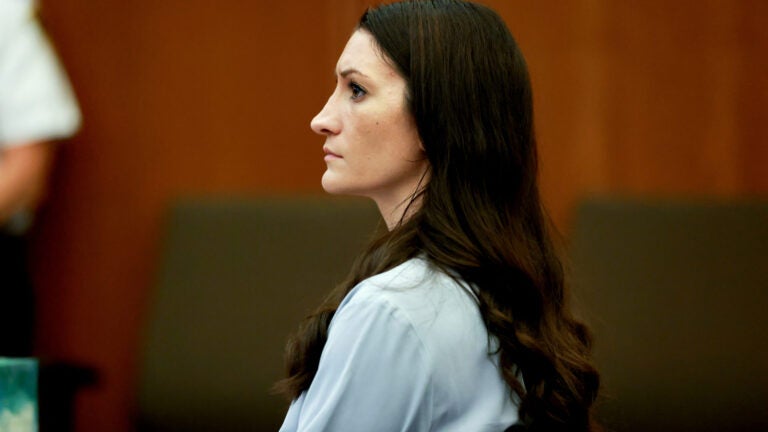
Lindsay Clancy admits she killed her children, yet online theories insist another culprit exists — why do people invent alternative suspects when guilt isn't in dispute?
Cognitive DissonanceProportionality BiasSocial Identity TheoryScapegoating
Theory Briefing
- Clancy does not deny killing her children, making the conspiracy theories unusual — most alternative-culprit narratives emerge when guilt is genuinely contested.
- Online communities have generated a wave of theories pointing to other suspects despite the defendant's own admission, showing how high-profile trials attract alternative narratives regardless of evidence.
- The trial's emotional weight — a mother, dead children, a sympathetic backstory — may be fueling the urge to find a different explanation than the one on record.
- Conspiracy theories in true-crime cases often flourish when the official account feels emotionally unsatisfying, even if it is factually uncontested.